

More info –
+91 86531 22479 (What’sapp)
The fast-growing blockchain project U2U Network is drawing increasing attention in the decentralized infrastructure space as it pushes forward its DePIN (Decentralized Physical Infrastructure Network) strategy. With the introduction of Solaris DPoS Mining, the project aims to make blockchain participation easier for everyday users while building a scalable infrastructure network.
The Rise of U2U Network in the DePIN Ecosystem
U2U Network is designed as a high-performance blockchain focused on powering real-world decentralized infrastructure, a concept widely known as Decentralized Physical Infrastructure Networks (DePIN).
The goal is to connect blockchain with physical resources such as computing power, connectivity, and distributed hardware systems.
By combining DePIN with a scalable blockchain architecture, the project aims to support applications ranging from decentralized internet services to AI data infrastructure.
Industry analysts believe DePIN could become one of the most important blockchain sectors in the coming years, alongside traditional areas like Decentralized Finance (DeFi) and Web3 applications.
What Is Solaris DPoS Mining?
At the center of the U2U ecosystem is Solaris DPoS Mining, a reward system based on the widely used blockchain consensus mechanism known as Delegated Proof of Stake (DPoS).
Unlike energy-intensive mining models such as Bitcoin’s Proof-of-Work system, Solaris DPoS does not require expensive hardware or massive electricity consumption.
Instead, the system works through staking and delegation.
How the Solaris System Works
Step 1 — Users Become Delegators
Participants hold U2U tokens and delegate them to validator nodes.
By doing this, users effectively support validators responsible for maintaining the network.
Step 2 — Validators Produce Blocks
Validators validate transactions, produce blocks, and maintain the blockchain’s security.
The more tokens delegated to a validator, the greater the chance that validator will be selected to produce new blocks.
Step 3 — Rewards Are Distributed
When blocks are successfully produced, the network generates rewards.
Validators receive a small commission, while the remaining rewards are distributed to delegators on a daily basis.
This process is commonly referred to by the community as “DPoS mining” within the U2U Solaris ecosystem.
Easy Entry Through the U2U Wallet
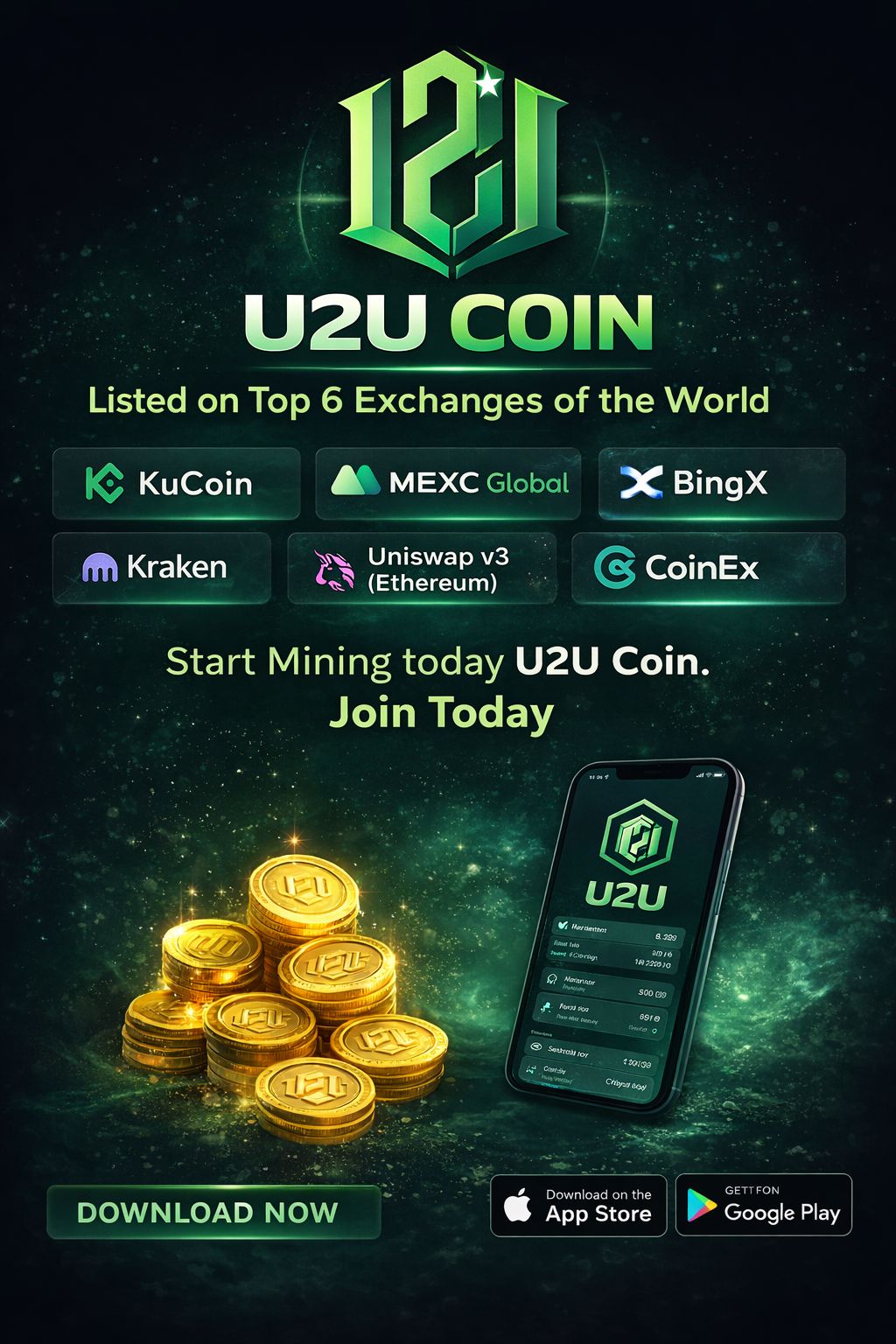
To simplify participation, the network offers a dedicated wallet application called U2U Wallet.
Users can download the wallet on Android or iOS devices and start delegating tokens directly from their smartphones.
According to community information, participation can start with approximately $33 worth of U2U tokens, making it accessible to a wide range of users interested in staking and passive rewards.
Partnerships and Ecosystem Growth
U2U Network has been actively expanding its ecosystem through partnerships with Web3 infrastructure providers, developer communities, and DePIN-focused projects. These collaborations are intended to build applications on top of the U2U blockchain and strengthen its decentralized infrastructure layer.
Developers are also exploring integrations involving AI analytics, decentralized connectivity, and Web3 services, positioning the network within the rapidly evolving AI + blockchain landscape.
Future Outlook
As the global blockchain industry moves toward scalable infrastructure and real-world utility, projects combining DePIN with efficient consensus systems are gaining attention from investors and developers.
If U2U Network continues expanding its partnerships, validator network, and ecosystem adoption, Solaris DPoS Mining could become a key driver of user growth.
For now, the project is focusing on onboarding new participants through its wallet and staking system while continuing to build the infrastructure required for a decentralized future.
#u2u #u2usolaris #depin